An IPTV encoder USA is a crucial component for anyone interested in delivering high-quality streaming video content across multiple devices and platforms. In the U.S. market, where demand for live sports streaming, educational content, and multi-channel broadcasting is rapidly growing, understanding how an IPTV encoder works and why it matters is essential for both commercial and technical users.
At its core, an IPTV encoder captures video input from sources such as cameras, satellite feeds, or HDMI devices. It then compresses this video using codecs, packages it into streaming-compatible formats, and transmits the streams over IP networks. This process enables real-time or on-demand viewing on a vast array of devices, from smart TVs to mobile phones. According to experts at ERSA Electronics, this encoding process is the backbone of modern IPTV solutions, turning raw content into accessible digital streams.
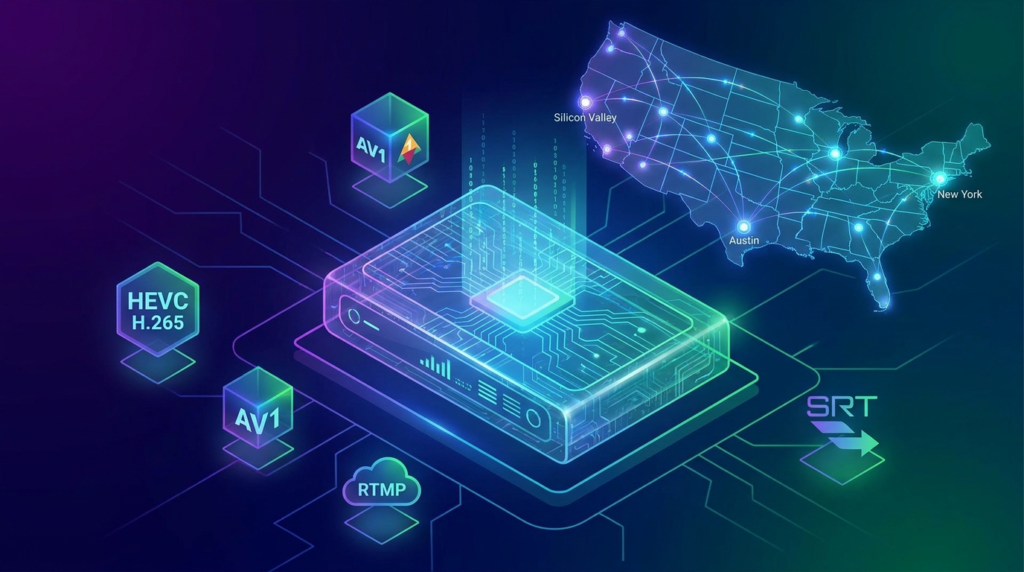
Key technologies in IPTV encoders include support for codecs like H.264 and the more efficient H.265 (also known as HEVC), which is becoming essential for 4K streaming due to its superior compression rates. Protocols such as SRT (Secure Reliable Transport) and RTMP (Real-Time Messaging Protocol) govern how the streams are securely and reliably sent to viewers. The MPEG-TS (Transport Stream) protocol also remains widely used for broadcasting compliance and compatibility with U.S. networks. For a detailed look at these technologies, Thor Broadcast offers an in-depth guide to popular streaming protocols and encoding hardware.
In the United States, IPTV encoders serve several vital use cases. Live sports broadcasting demands low latency streaming and 4K quality for the best viewer experience. Hospitality sectors like hotels rely on IPTV systems for guest entertainment, requiring multi-channel distribution and easy content management. Educational institutions use IPTV to stream lectures and campus events, which calls for reliability and compatibility across diverse devices. Broadcasters also integrate IPTV encoders to complement traditional ATSC 3.0 standards, enabling hybrid and internet-based distribution. This regulatory compliance and workflow integration are key when selecting an encoder.
Choosing the right IPTV encoder in the USA involves several criteria. Low latency is critical, especially for interactive applications like live sports or webinars. Resolution support must include HD and increasingly 4K capabilities with H.265 encoding to future-proof investments. Device compatibility ensures that streams play smoothly on everything from smart TVs to smartphones and set-top boxes. IPTV encoders often come with features like multi-channel input, real-time monitoring dashboards, and flexible output options, which make them suited for commercial deployments.
The content ingestion and encoding workflow typically starts with capturing video via HDMI or SDI inputs, followed by real-time compression using hardware or software encoders. After encoding, content is packaged for delivery over networks, often interfaced with IPTV middleware that manages user access, EPG (Electronic Program Guide) integration, and VOD (Video on Demand) catalogs. Integration with Content Delivery Networks (CDNs) ensures scalable, reliable distribution across geographically dispersed audiences. The complex interplay between encoding hardware, middleware, and CDN platforms demands careful consideration for large-scale U.S. IPTV services.
Regional and compliance aspects are also important. The United States is increasingly adopting ATSC 3.0, a broadcasting standard that blends traditional TV with internet streaming, impacting how IPTV encoders must function. Devices and encoders in the U.S. market must meet these standards along with FCC regulations. Additionally, specific codecs and stream formats may be required or restricted depending on the use case, such as in educational or governmental environments.
For common questions about IPTV encoders, users often ask about the difference between HDMI encoders and software-based solutions, how to achieve low latency, or which protocols best suit live event streaming. Hardware encoders typically offer more reliable, low-latency performance, while software encoders provide flexibility and cost savings. Understanding the balance between quality and bandwidth is critical, especially when streaming to multiple devices simultaneously. Resources like ProVideo Instruments provide detailed product collections that clarify these distinctions and suitability.
In summary, a comprehensive IPTV encoder USA solution is essential for anyone looking to deliver professional-grade video streaming that meets the specific demands of the U.S. market. Whether streaming live sports, managing multi-channel hotel TV systems, or integrating with modern broadcasting standards, selecting an encoder that supports the right codecs, streaming protocols, and compliance standards will profoundly impact viewing quality and operational efficiency.
For those exploring IPTV services, understanding these technical and practical considerations helps make an informed choice. To explore cost-effective plans and legal IPTV options tailored for the USA, it’s helpful to review detailed guides on IPTV legality and pricing structures available at IPTV Legal USA Truths and IPTV Pricing Details.
With IPTV growing rapidly across sectors, the right encoder transforms raw content into compelling streams that reach viewers smoothly and reliably. To find a comprehensive IPTV solution that fits U.S. standards and user needs, visiting Best IPTV Provider offers a practical next step toward professional streaming success.